Kingdom Financial Advisors, a nonprofit credit-readiness education organization in Miami, Florida, has announced the pre-launch of The DIY Credit System, a self-guided program that combines 20 years of mortgage and credit experience with AI-assisted support to help first-time homebuyers nationwide prepare their credit.
-- After more than 27 years in the credit education and over two decades in the mortgage industry, Daniel Isaiah Shalach closed his monthly-fee credit repair company and rebuilt his approach as a nonprofit program that teaches people to manage their credit themselves.
Kingdom Financial Advisors today announced the pre-launch of The DIY Credit System, a do-it-yourself credit-readiness program that combines Shalach’s two decades of practitioner experience with AI-guided support.
“People don’t need another company charging them every month,” said Shalach, a Freddie Mac CreditSmart-certified practitioner who has worked with AI tools since 2021. “They need to understand how the credit and homebuying systems actually work and then have a guide alongside them while they do the work themselves. That’s what I spent 20 years learning, helping 1000’s get approved for a loan, and now we’re sharing that same system with a guide they can use.”
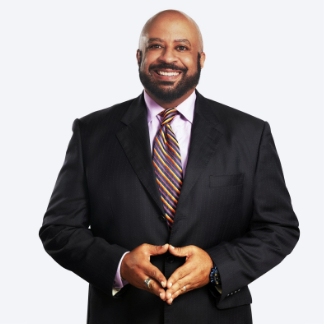
Since 1999 I have witnessed that whether it’s getting a first home or a dependable car, most buyers run into the same credit roadblocks:
- Not knowing where they stand. Many people don’t know their score or what’s on their reports until a lender pulls them, often at the dealership or during pre-approval for a home. By then, it’s too late to fix errors or pay down balances. In FICO’s 2026 survey, 59% of would-be homebuyers said they don’t fully understand the steps to buy a home.
- Paying more because of their credit. A lower score usually means a higher interest rate, which can add thousands of dollars over the life of a car loan or mortgage. About 22% of prospective homebuyers in that survey underestimated how much their score affects their rate or weren’t sure.
- Not realizing how far poor credit reaches. Credit affects more than loan approvals. In most states, insurers use credit-based insurance scores to help set car and homeowners insurance rates. Landlords check credit on rental applications, utility and cell phone companies may require deposits, and some employers review credit reports, with permission, for certain jobs. Weak credit can quietly raise the cost of almost everything.
- Errors and old negative items on their reports. Mistakes, accounts that aren’t theirs, collections, and late payments can drag scores down. Most people don’t know how to properly dispute them, if at all, or how long they stay on a report.
- High debt and credit card balances. High card balances lower scores, and existing car, student loan, or card payments raise debt-to-income ratios. A big car payment taken on just before a mortgage application can shrink the home loan amount someone qualifies for, or derail approval entirely.
- Thin or no credit history. Young adults, people who’ve always paid cash, and those starting over have little or no credit history. That can lead to denials, much higher rates, or required co-signers, even when they pay rent and bills on time.
- Not knowing who or what to trust for help. In today’s online world many people turn to AI tools, online templates, or “dispute bots” but worry the advice is wrong or generic, or that it will make things worse. That worry is reasonable. AI can sound confident while getting details wrong, and credit bureaus can reject disputes that look copied or mass-produced. Without guidance, people either give up, rely on tools they don’t understand, or make things worse.
The program begins with the no-cost Homebuyer Readiness Assessment, a guided evaluation that helps users see where they stand in preparing for a home loan and identify what to work on first. Enrolled participants then complete a pre-course assessment and gain access to step-by-step videos on understanding their credit reports and addressing errors or issues, including negative items and accounts that may not belong to them. Shalach also teaches participants how mortgage qualification works and how to seek a full pre-approval from a lender before they begin shopping for a home.
The program also includes more than 60 short videos, ranging from 30 seconds to three minutes, that walk participants through the homebuying process in plain language. Topics include shopping for a home, FHA and VA loan options, closing costs, and down payment assistance programs, including grants and forgivable loans for first-time homebuyers. The program is organized around one goal: Get Credit Ready. Get Home Ready.
The DIY Credit System uses AI as a guide, not as a replacement for participants’ own judgment. Shalach, who completed AI training and certificate programs from Google, IBM, DeepLearning.AI, and Vanderbilt University, built the program’s AI prompts around his two decades of experience as a mortgage and credit practitioner. The prompts help participants understand their credit reports, organize documentation, and prepare their own dispute letters based on their specific situation rather than generic templates, saving participants time and avoiding the errors so many have faced. The AI does not submit disputes or make decisions on a participant’s behalf. Each person reviews and approves every step before taking action.
DIY Credit does not promise score increases, removal of accounts, or mortgage approval. It teaches participants to understand their options and make more informed decisions as they prepare to apply for a home loan.
The pre-launch comes ahead of a federal change taking effect January 1, 2027, when the Federal Housing Administration will begin accepting VantageScore 4.0 and FICO Score 10T credit scores for FHA-insured mortgages, alongside the classic FICO score.
After operating costs, 100% of net proceeds from DIY Credit fund credit education for teens who have aged out of foster care and find themselves homeless, many of whom enter adulthood without credit knowledge or a trusted adult to guide them. He also focuses heavily on the mentorship of at-risk youth, many who feel hopeless due to their current environment.
“I spent years helping adults dig out of credit problems that started when they were 18 and nobody taught them anything,” Shalach said. “I avoided the negative path many of my friends took because one person believed in me. I want to be that one person for someone. This program is how we break that cycle at both ends.”
About Kingdom Financial Advisors
Kingdom Financial Advisors, is a nonprofit credit-readiness education organization based in Miami, Florida. It’s DIY Credit System, is available online and teaches consumers nationwide to understand, build, repair (when applicable), and manage their own credit with AI-guided support and over two decades of mortgage and credit experience. Learn more at www.DIY.Credit.
Contact Info:
Name: Daniel Shalach
Email: Send Email
Organization: Kingdom Financial Advisors
Website: http://www.DIY.Credit
Release ID: 89207663
In case of encountering any inaccuracies, problems, or queries arising from the content shared in this press release that necessitate action, or if you require assistance with a press release takedown, we urge you to notify us at [email protected] (it is important to note that this email is the authorized channel for such matters, sending multiple emails to multiple addresses does not necessarily help expedite your request). Our responsive team will be readily available to promptly address your concerns within 8 hours, resolving any identified issues diligently or guiding you through the necessary steps for removal. The provision of accurate and dependable information is our primary focus.



